

On Centurions, Happiness, and Earthrise
Looking down on death, finding happiness in suffering, and overcoming

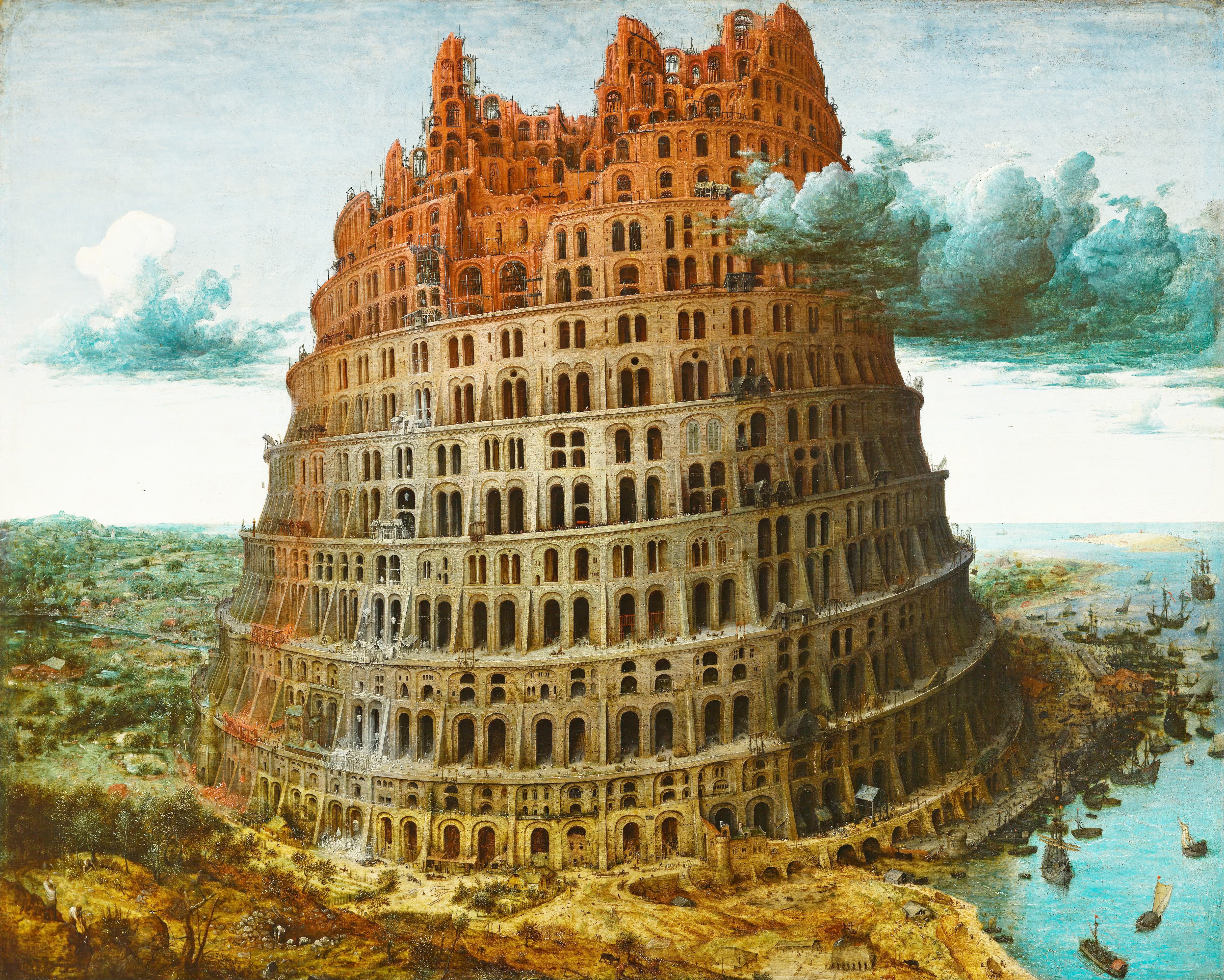

Which world do we live in?—Caesar was fond of his centurions. Take this battle in 57 BC: “All the centurions of the fourth cohort had been cut down, the standard-bearer killed, and the standard lost. The centurions of the other cohorts had almost all been either wounded or killed; among them, the senior centurion of the legion, Publius Sextus Baculus, an extremely brave man, had been weakened so much by his many deep wounds that he could no longer stand.”
When I read these words I smell cordite and taste copper. I become aware of the veins in my arms. Caesar’s awe of this centurion can be read in the three passages that reference his transcendent self-command throughout the Gallic War. Even when Baculus is not mentioned we can feel his presence on the pages like some unseen mover behind momentous events.
Baculus fought with steel blades in unmapped Gallic forests. He marched, sweat, sparred, bled, drank, laughed, and lived with brothers for years who lay dead and dying. He was surrounded by a long-haired enemy who fought heroically and savagely for their sovereignty. He had a reputation to uphold and men whose lives depended on his self-control. It was not one or two wounds that at last put him down—and the sword strokes broke his body but not his fight. Baculus penetrated the surface level irrelevancies that too often blind us and demonstrated the primeval core that unites us all.
It strikes me there are three ways of seeing death. One is when we look down at death from a very great height. It is to feel brutally and unapologetically alive. Another is when we look up at death, trying to slow time in terror as if it can be bottled up and lived at some future date. Yet another is when we close our eyes and feel nothing at all. As I wrote these last two views of death my mind turned to Babel: “And they had bricks for stone, and slime had they for mortar.”
The lesson of Baculus is the primeval substrate runs like a current through us all. So, too, does the immensely downward gaze at death this substrate offers us. It can be tapped via combat, hand-work, ill-health, and contemplation.
Death gives us the gift—but not the obligation—of overcoming it.
Happiness—The Declaration of independence states we are born with the right to “Life, Liberty, and the pursuit of Happiness.” It is significant these rights were written in that order. Happiness without life would not get us very far. We are told by academic evolutionary theorists that happiness is not our default condition, that are wired by nature to seek happiness in a few ways: reproducing with sexually optimal mates, building coalitions, earning reputations, acquiring special skills that make us irreplaceable, avoiding social groups where our remarkable (stunning, exceptional… to be found nowhere else on earth!) abilities are not valued… the list goes on.
If we hinge our happiness on social acceptance, safety, or stability, we hinge our happiness on an if.
My hunch is the boots in the mud logic of the Founding Fathers is more enlightened than the prison in the air logic of our academics. The Founding Fathers realized the pursuit itself can bring happiness; that happiness itself is impossible without a good fight; that happiness means nothing without its opposite: misery, cold, ego-shattering failure and the astounding calm command we find when we can sink no lower in life, and have nowhere to go but up, and the only voice left in our skull says: On! On!
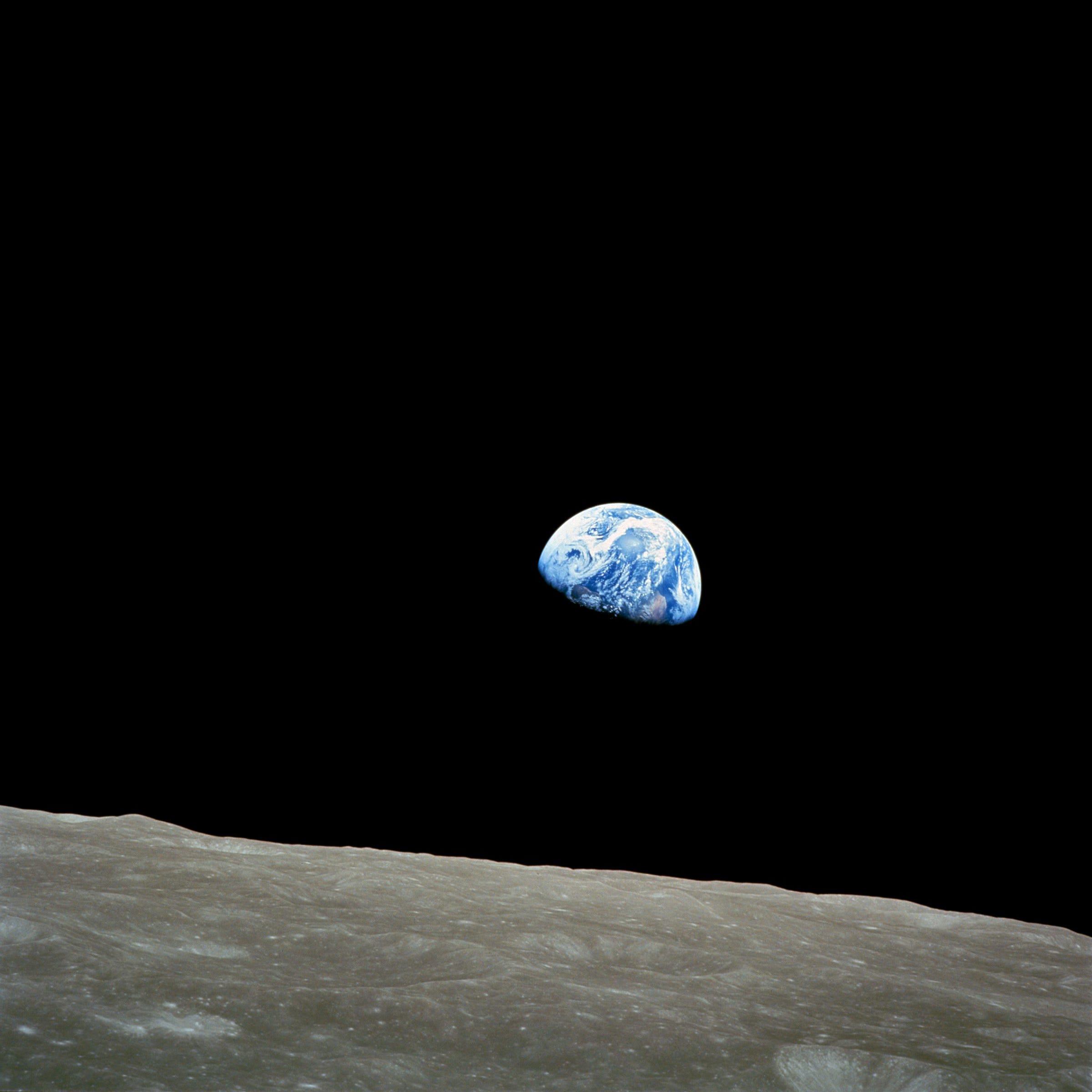
Live or be lived—Every morning with symmetrical perfection the Earth spins counter clockwise and the sun rises in the east. Few see it. It is true we created speed and technology to live more fully only to find speed and technology warping the quality of our lives.
After his journey to the moon on Apollo 11, Michael Collins said this about the earth: “The thing that really surprised me was that it projected an air of fragility. And why, I don’t know. I don’t know to this day. I had a feeling it’s tiny, it’s shiny, it’s beautiful, it’s home, and it’s fragile.” It is easy to be awake on the moon. Take time. On the earth, time is what stands between who we are now and who we want to become in the future. On the moon, we can smell time—we can hold it in our palms, gaze into its depths, and hear it tell us how unaware we are of our fleeting tenure on this earth.
We cannot see the earth from the moon every morning. The view does not force us awake. I believe in my bones this inevitable metaphysical ignorance is an obstacle we must overcome in order to fully realize ourselves. Ignorance is a worthy enemy. The cosmos has given us the gift of life but has left it up to us to choose to live that life—or to let life live us.
Thus says the moon to its skull-confined neighbors: Let us redefine earthrise. It is not to stand on the moon and see the earth rise above the horizon. It is to stand on the earth and conjure the same stunning consciousness within the confines of your skull as a campaign of overcoming.
If you find these essays striking, please consider liking, sharing, and subscribing.
Welcome to the new subscribers. These essays are not dogma no matter how strongly worded. They are hypotheses and experiments—they are a hunt for ideas that lead to vibrant aliveness. This involves the risk of being wrong which I gladly accept. If we do not push the boundaries and follow any thread wherever it may lead, right or wrong, then what is the point? This is why I am here and it is why I write.

In reading about the fight against our all-too common ignorance, a trivial experience comes to my mind: A blocked nose. Most of us have likely experienced a blocked nose and the then-so-bittersweet memory of clear sinuses. Once we regain full health, however, we almost instantly lose that gratitude for a full breath of air. Ignorance is all around us, in both big and small ways, so I‘d say awareness must be cultivated to fight ignorance, but that is an entirely different and equally difficult issue!
Thank you for your essays Sam, they always give me good grounds to think of something else than just daily studies!
“So live your life that the fear of death can never enter your heart. Trouble no one about their religion; respect others in their view, and demand that they respect yours. Love your life, perfect your life, beautify all things in your life. Seek to make your life long and its purpose in the service of your people. Prepare a noble death song for the day when you go over the great divide.
Always give a word or a sign of salute when meeting or passing a friend, even a stranger, when in a lonely place. Show respect to all people and grovel to none.
When you arise in the morning give thanks for the food and for the joy of living. If you see no reason for giving thanks, the fault lies only in yourself. Abuse no one and no thing, for abuse turns the wise ones to fools and robs the spirit of its vision.
When it comes your time to die, be not like those whose hearts are filled with the fear of death, so that when their time comes they weep and pray for a little more time to live their lives over again in a different way. Sing your death song and die like a hero going home.”
~ Chief Tecumseh
Again: "Sing your death song and die like a hero going home."
Live, earn every day.